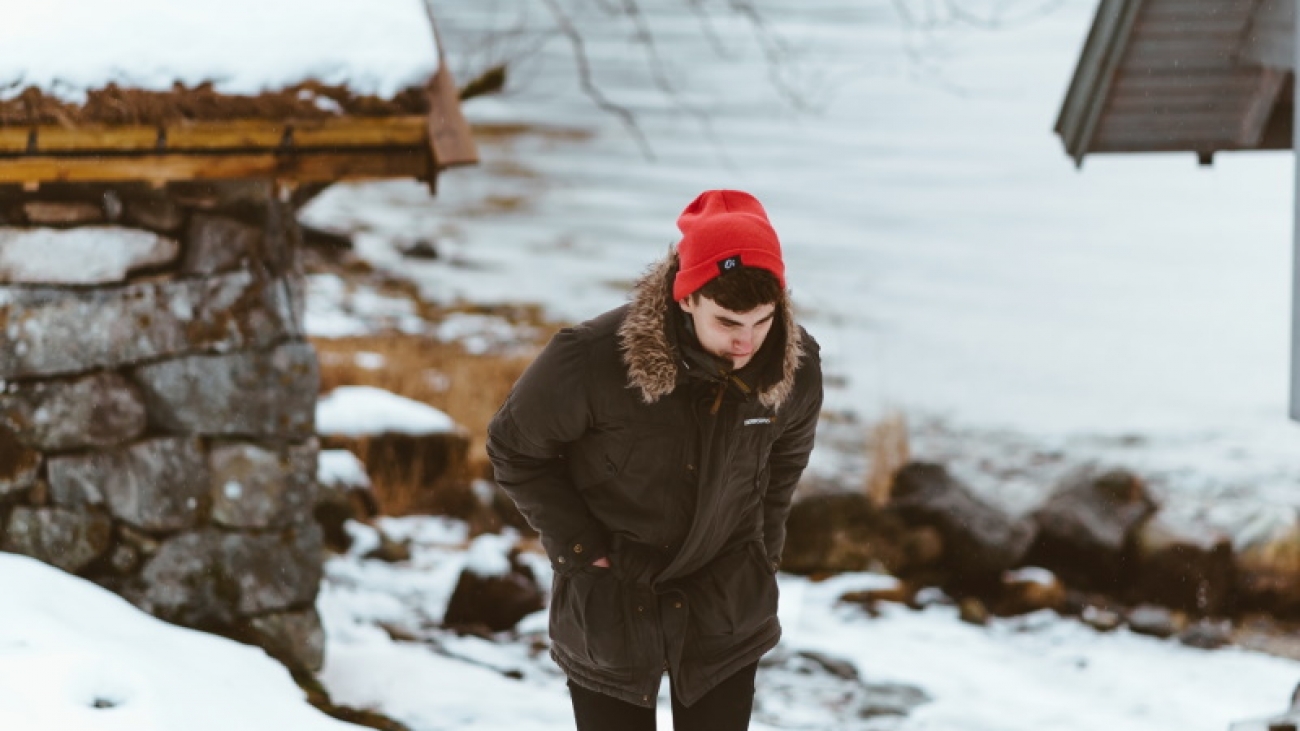
New Roof During Winter

How To Repair Your Roof’s Soffit and Fascia

How To Repair Your Roof’s Soffit and Fascia

Your home’s roof plays a part that’ll never be substituted. It protects your house from nature’s wrath, be it rain, snow, or heat. Although a roof’s primary purpose is to keep weather elements at bay, its

Soffit and fascia also play a crucial role in your home’s look and overall curb appeal. Soffits are those horizontal boards you see running along the underside of your roof’s overhang. On the other hand, fascia is those vertical boards connecting the ends of your roof’s rafters. Both soffits and fascia are typically made of wood or aluminum.

Like any other part of your house, soffits and fascia are also prone to damage: water, heat, and cold cause soffits and fascia to warp, crack, or rot. If left unrepaired, damaged soffits and fascia will not only ruin your home’s look but also lead to more serious issues, i.e., leaks and animal infestations.

And when it’s time to fix those two essential roofing components, the first thing that’ll cross your mind is whether to do it yourself or hire a professional.

Before deciding, ask yourself the following questions:

Do you have the necessary tools and equipment?
Do you have the time to do the repair?
Do you have the skills and knowledge to do it properly?

If you answered “no” to any of the questions above, then it’s best to hire a reputable roofing contractor to do the job for you.

But if you answered “yes” to all three questions and you’re confident that you have what it takes to do the repair properly, then follow the instructions below on how to fix your roof’s soffit and fascia:

1. It all starts with damage assessment.

You can’t proceed to any other step in this process without first assessing the damage. Doing so will give you an idea of what needs to be done and how much material you’ll need for the repair.
Pro Tip: Take photos of the damaged areas for reference. It’ll make shopping for repair materials a lot easier.

2. Once you have a clear idea of the damage, it’s time to start shopping for the repair materials.

If your soffits and fascia are made of wood, then you’ll need the following:
– 1×4 lumber (for soffit repairs)
– 1×6 lumber (for fascia repairs)
– Nails or screws
– Caulking gun and sealant
– Paint or stain (optional)
If your soffits and fascia are made of aluminum, it means you must procure the following:
– Aluminum sheets (for soffit repairs)
– Aluminum extrusions (for fascia repairs)
– Drill and bits
– Rivets or screws
– Caulking gun and sealant

3. Once you have all the necessary materials, it’s time to start the repair.

If you’re fixing damaged wood soffits, start by measuring the length of the soffit and cutting the 1×4 lumber accordingly once you have the pieces cut to size, nail or screw them into place.

Next, apply sealant around the edges of the soffit using a caulking gun. This step aims to help fill in any gaps and prevent water from seeping through. Pro Tip: Don’t forget to paint or stain the soffit to match the rest of your home’s exterior.

If you’re fixing damaged aluminum soffits, you must measure the length of the soffit and cut the aluminum sheets accordingly. When the pieces are cut to size, use rivets or screws to attach them.

Like that of wood, you will need to use sealant around the edges of the soffit using a caulking gun. Filling the gaps is a process you can never afford to skip. The reason is that water will always find its way through the tiniest of cracks.

4. After fixing the soffits, it’s time to move on to the fascia.

The process of repairing damaged fascia is similar to soffit repair, with a few notable exceptions.

For one, the lumber you’ll need is slightly different. Instead of a 1×4, you’ll use a 1×6 for wood fascia repair. And instead of aluminum sheets, you’ll need aluminum extrusions for aluminum fascia repair.

Another distinction is that you won’t be using sealant around the fascia’s edges because there is no gap that water can seep through.

How Can I Tell if Repair Is No Longer Viable?

There eventually comes a moment when a repair is no longer an option, and replacement is the only way to go. Be on the lookout for these warnings indicating the need to replace your soffits and fascia:

1 – The Damage is Way Too Extensive

Like we said earlier, damage assessment is the key to knowing whether you can get away with a repair or if you’re better off replacing the entire thing. If the damage is too extensive, it’s best to replace the soffits and fascia entirely. Trying to patch up everything will only result in an eyesore. A botched repair job could even compromise the structural integrity of the entire roofing system.

2 – The Cost of Repair Is Almost Equal to the Cost of Replacement

Another thing to factor in is the cost of repair. In some scenarios, the cost of repairing the damage may be almost equal to the cost of replacement. As such, it only makes sense to replace the soffits and fascia entirely. Not only will you end up with a better-looking result, but you also get to make the most out of your money.

3 – The Soffits and Fascia Are Way Past Their Prime

Like all other parts of the roof, the soffits and fascia have a limited lifespan. Depending on the quality and material used, they can last anywhere from 20 to 50 years. If your soffits and fascia are way past their prime, it’s high time for a replacement. Trying to patch up everything will only give you a temporary fix; truth be told, you’re never going to hide the fact that they’re old and worn out.

4 – You Want to Give Your Home’s Exterior a Facelift

Soffits and fascia carry with them a high aesthetic and functional value, ultimately contributing to the improvement of your home’s curb appeal. Now, if you want to give your home’s exterior a facelift, replacing them is the way to go. Doing so means you get to pick a new colour scheme and apply a different style that’ll further enhance the look of your property.

The Bottom Line You don’t pay that much attention to your roof’s soffits and fascia until they get damaged. By then, it’s too late, and you’re left with no choice but to repair or replace them. The key to avoiding all that hassle is regular maintenance. Inspect your roof at least once a year and look for any signs of damage. Should you spot any, have it checked and repaired immediately.

mike-benna-WHHY-iBp3aI-unsplash

Why Cambie Roofing is the best roofing company in North America

Why Cambie Roofing is the best roofing company in North America

Cambie Roofing has been Vancouver and the GVRD’s roofing leader for a whopping 75 years, ensuring families throughout the Greater Vancouver area are kept dry and secure. And with more than three quarters of a century of experience in the roofing and drainage industry, it’s no secret why Cambie Roofing is the best throughout North America. We specialize in new construction, re-roofing, repair and maintenance for home, commercial and industrial builds. Each project is different and with that sometimes comes unexpected challenges but we are always there to do the job and evolve while using our many decades of experience. Whether you’ve got a simple small residential project or a larger industrial or commercial project, Cambie Roofing is there to assist you!

Free Estimates

We believe it’s important to provide our clients with free estimates for all projects using modified bitumen, non-bituminous, asphalt (for sloped roofs), cedar (for sloped roofs), metal cladding and more! In addition to this, we offer a satisfaction guarantee as well as 24/7 emergency services every day of the year!

Reputable Affiliates

The experts at Cambie Roofing ensure their installations always align with the Roofing Contractors Association of British Columbia. We are also recognized by the Canadian Roofing Contractors’ Association, the Better Business Bureau, Vancouver Regional Construction Association and the Consumer Choice Awards. We are a very well known and established roofing and drainage company and being recognized by these reputable associations is something we have worked for over the 75 years we’ve been in business.

Our Partners

We work with some of the best world-class suppliers and manufacturers to ensure our customers receive the greatest value. This includes Convoy Supply Construction Materials and Roofmart which is Canada’s go-to distributor for outdoor building supplies. As for our manufacturing partners, we trust Soprema, Pabco, GAF, IKO, CertainTeed, Ocean and Corix to get the jobs done right.

Family Oriented

Cambie Roofing is a family owned and operated business and we pride ourselves in our simple approach: Service, Quality, Integrity, Hard Work and Safety. When allowing people to join our professional team, they must be capable of achieving the highest standards when it comes to things like workmanship, customer experience and most importantly, safety. Our team consists of manufacturer-trained and certified experts in both roofing and drainage. We like to refer to our approach as the ‘Cambie Roofing family tradition’ which is simply a commitment to excellence. We also employ a very talented front office team and without them we could not oversee the day to day operations such as customer feedback, inspection, work safety, accounting, repairs and so much more. Together, we provide the best roofing experience in all of North America!

Consumer Choice Award Winners

It’s important for us to constantly work on and maintain our relationships with our clients and employees. Building long lasting relationships is something we always strive for because without them, we would not exist. The work we have done over the years hasn’t gone unnoticed thanks to us consecutively winning the Consumer Choice Awards since 2002. This means we are who we say we are when it comes to being the best roofing company in North America. It has also opened many doors for us to continue to grow in Vancouver, Burnaby, Maple Ridge, Coquitlam, Delta, New Westminster, Richmond and Surrey. As a result of our growth, we are always looking for new people to join our team. We are known for our positive work environment with management always being focused on remaining approachable, ethical and accountable. This is because we know it’s just as important to have a happy and healthy workplace as it is to provide quality services to our clients. New employees can even take advantage of completing their roofing apprenticeships through Cambie!

Safety

Safety is our number one priority which is why we’ve been so successful over the many years. We are always looking for ways to improve the safety and wellbeing of all our employees, clients and those who are exposed to our job sites. We always have a BCCSA trained officer on site to ensure our employees are working within WCB standards and our policies. We provide training and recertification to all employees when needed in various areas such as first aid, propane dispensing, fall protection, mobile equipment operation, supervisor training, torch safety and more! We frequently conduct safety reports and visit sites to observe that safety measures are always being followed.

These are just a few of the reasons Cambie Roofing is the best roofing company in North America.

glenn-carstens-peters-RLw-UC03Gwc-unsplash

5 signs your roof needs repairing or replacement

5 signs your roof needs repairing or replacement

Oftentimes we forget just how important the roof is over our heads. But just like everything else on the inside and outside of our homes, our roofs will eventually need repaired and/or replaced. Knowing the early signs of roof damage can save you thousands of dollars in the long run and it could mean the difference between a small repair and a total replacement. Getting into the habit of routinely checking your roof on the outside and inside is a good starting point. You’ll want to familiarize yourself with the early signs of damage so you’re prepared when and if something happens. To help, we’ve compiled a list of eight signs your roof may need repaired or replaced.

Cracked or curled shingles

Knowing what it looks like when your roof’s shingles are damaged is essential when questioning if your roof needs replaced. Asphalt shingles are the most common and they usually only last up to 20 years before needing replaced, but this isn’t a guarantee. If you live in an area with lots of rain, scorching temperatures, wind storms, heavy snowfalls and/or humid conditions, remember that your roof is always exposed to whatever mother nature brings its way. A shingle can become cracked or curled for a variety of reasons such as improper installation, extreme weather conditions or if it has surpassed its lifespan. A cracked or curled shingle is a sign that your roof needs some work. These damaged shingles are no longer laying flat against your roof which could lead to a variety of problems such as water exposure or an invitation to unwanted rodent visitors.

Moss

If you’ve noticed something green growing on your roof, be alarmed! Moss is a sign that your roof needs attention. Moss thrives in damp environments so if your roof is in a shaded area near trees and other vegetation and the climate is relatively moderate, your roof is constantly exposed to moisture. When moss spores are carried through the wind onto your roof, they will plant themselves between your shingles and will start to grow. Feeding off of rain, moss will become thick and spongy and will start to take over your shingles. This will cause the shingles to lift, inviting water into your roof. Moss that is left on a roof for a long period of time will not only decay your roof, but it can also lead to harmful mold. Depending on the amount of moss you find on your roof, contact a professional to assess the situation.

Shingle granules are deteriorating

Similar to when shingles curl and crack, if you notice the granules on your shingles are missing, this is a sign they are no longer effective in protecting your home. A good way to determine if your shingles are losing granules is to check your roof’s gutter and downspouts. Granules are tiny bits of rock which are attached to shingles to protect them from the elements. Over time it is normal for them to erode and fall off but how long it takes to do this depends on the quality of your shingles. If granule loss is noticeable, it’s time to reach out to a roofing company and get an evaluation.
Leaks
One of the most common and dreaded signs your roof needs some fixing is when it’s leaking. Whether its missing shingles, flashing problems or a clogged gutter, a roof leak can happen in many ways, causing lots of damage to your beloved home. Sometimes it can be very difficult to pinpoint where a leak is coming from. Be sure to check your attic regularly and inspect the outside of your roof. While there are many DIY fixes for roof leaks, getting a professional to examine the damage is always a smart choice.
Old age is creeping up
Just like anything in your home, your roof can become outdated and with that, it can bring serious problems. To prepare yourself, always keep a paper trail from the last time your roof was installed, replaced and/or serviced. Each style of roofing differs along with its quality and recommended lifespan. Knowing when your roof is due for an inspection can eliminate all problems associated with an aging roof. Preparing yourself for when the time comes to replace your roof will help alleviate any financial surprises.

Conclusion

If you’ve noticed a few problems with your roof, don’t jump to conclusions! A few cracked shingles doesn’t mean you need to spend thousands of dollars replacing your entire roof. A little bit of routine maintenance and double checking goes a long way when it comes to your home’s roof. Contact us at Cambie Roofing today if you have any questions or concerns and we will be happy to help you!

Blistering and alligatoring, DIY vs Qualified Roofer in Vancouver

What’s The Difference Between Blistering and Alligatoring?

Updated Aug 15, 2022
Originally Published August 15, 2020

What’s The Difference Between Blistering and Alligatoring?

Blistering and alligatoring are two common problems with most membrane roofing systems. Alligatoring is a cracking pattern in the roof’s surfacing that looks a lot like alligator skin.
That’s the reason we them alligatoring. Blistering is a slightly different phenomenon in which bubbles form underneath the roof’s membrane.
Blistering sometimes results in cracks or pops, but unlike alligatoring, the damage caused by blisters usually follows the length of the blister rather than forming a pattern.

Commercial roofs, in particular, require different repair and maintenance routines than residential roofs.
For starters, most commercial roofs are usually flat and this means they react much differently to sun, rain, ice, and snow which means alligatoring and blistering are much more common. Commercial roofs often require more frequent maintenance to ensure there isn’t any damage and if there is wear and tear, it is taken care of before it can spread.

What Causes Alligatoring?

Alligatoring is a sign that your roof is aging. Prolonged exposure to the elements damage the roof’s surface, and after about five years, the coating may develop small cracks. If left untended, the problem will get worse and spread across your roof.
Fluctuation in temperatures, ice, snow and sunlight shifts will cause new cracks to appear while widening the existing cracks.
Because these problems are common among some membrane roofing systems, you should make sure to get a roofing contractor to inspect your roof at least twice per year.

Is it possible to Fix Alligatoring?

Roof alligatoring is a sign that your roof is aging but it is possible to prevent alligatoring, and to repair small patches before they get so bad that you have to replace your roof entirely. First, a roofing contractor will need to apply a new coating to the roof. He will start by cleaning the roof thoroughly, making sure that all dust and loose particles are removed. After that, the contractor will apply a primer that is compatible with the roof’s original surface, and once dry, apply the coating itself. Embed strips of fiberglass mesh in the coating as you apply it to help increase its strength.

What Causes Blistering?

Blisters form when there are pockets of air or moisture trapped between layers of your roof’s membrane.
If left untreated, a blister can grow larger and allow more moisture to get in so that the problem gets worse until more extensive repairs and possible replacement is necessary…unless it pops! The origins of blistering are several. Among them, we count poor ventilation, trapped moisture or UV light.
As these pockets expand and stretch the membrane they form bubbles. In severe cases, the membrane will actually crack when the pressure becomes too great. Once blistering forms, the membrane stretches permanently, which allows for even more air or moisture to infiltrate the membrane layers.
This causes even more expansion. Each time the sun heats your roof, there is the potential for the blisters to grow a little larger.

How to Fix Blistering?

In general, blisters keep air in will keeping water, preventing serious water damage. This usually means unless the blisters have certain characteristics, it may be preferable to leave them undisturbed. Some of the blisters may pop, but most of them may not.
The question is, should we repair all of the blisters or only the blisters that have exposed?  There are certain circumstances in which you should repair the blister:

  • The paint or surface is coming off of the blistered area.
  • The membrane itself has cracked.
  • The blister is close to a seam and may cause the seam to open up.

To repair a blister

To repair a blister, cut away the membrane until you reach an area where the membrane still adheres to the roof tightly. You’ll then need to reapply new membrane material at least as many layers as you removed over the blistered area.
Make sure that the new membrane extends at least six inches around the edges of the blister to ensure that your patch remains leak-proof despite the expansion and contraction caused by temperature shifts. Alternatively, on a bitumen roof, our roofing contractor may be able to cut an “X” into the blister and then peel back the loose membrane layers. He will then fill the void underneath the membrane with bitumen and then press the membrane back into place. Keep in mind that this type of repair is only advisable if the membrane is otherwise undamaged and the blistering isn’t too great.

Prevention of Alligatoring and Blistering

It is possible to prevent roof alligatoring and blistering by scheduling regular inspections and keeping up on maintenance.
Regular inspections will help ensure you’re able to tackle any blistering or alligatoring problems before they become bigger problems.
Our roofing contractors can apply a protectant or reflective roof coating on a consistent schedule to prevent alligatoring and other damage from happening. While prevention represent an additional cost, it will save you money in the long run: Alligatoring and blistering are expensive to fix.
As noted, flat commercial roofs require a bit more upkeep than sloped, residential roofs, and it’s important to have them inspected at least twice a year if you want to extend the life of your roof.

Repair

If you’ve noticed small splits and cracks in your roof, it’s best to call a roofing inspector. They will likely tell you if the problem is worth fixing or if it can be left to be fixed at a later date. At Cambie Roofing, we give you a realistic picture of what needs to be done to your roof.
Some small hairline cracks can be filled by applying an appropriately rated energy sealing polyurethane, but in general, it’s best to just get rid of those troublesome sections as they appear.
Most roofs come with warranties lasting on average between 10 to 20 years and so if your roof is starting to show signs of damage, it may be covered under warranty. Property owners and homeowners looking for roof replacement or roof repairs can call Cambie Roofing for a free roof estimate.

tips to replace roof, Roof replacement in Vancouver

Tips for Vancouverites Looking to Replace Their Roof

Vancouver is known for its mild climate and temperate environment, but these perks can’t protect your home from the weather. Regardless of where you live, roofs play an indispensable role in preventing water and moisture from entering the walls and, subsequently, in your living space. However, if your roof is old and damaged or has construction defects that can’t be fixed, then it’s time to look into a replacement. Roof replacement in Vancouver makes sense in a few situations, including:

  • If your roof is damaged or has several leaks
  • If you need to add insulation to your attic
  • If you have shingles that are over 15 years old
  • If you are building a new home

But navigating this pricey endeavour can be overwhelming if you’re not sure where to start.

Assess the Damage First

Before doing anything else, assess the damage so you can find out exactly what your roof needs. For example, you’ll likely need a new roof if there are several leaks because shingles can’t be patched together.

Unless your roof is still under warranty, you must look into a replacement immediately because shingles don’t last forever.  Even if there aren’t any leaks and your shingles look perfectly fine, it’s still a good idea to replace them when they’re almost two decades old because of weather damage.

The sun and rain will slowly erode your shingles over several years, potentially leading to leakage.

Finding a Skilled and Reliable Roofer

The most important aspect of a roof replacement project is finding the right contractor. Mind you, it’s easier said than done, knowing the fact that there are hundreds of prospective roofers in Vancouver alone. But you don’t have to overwhelm yourself – all you need is to follow these tips for Roof replacement in Vancouver:

Tip 1 – Consult with family, friends, or other members of the community.

Expect other homeowners to have personal experiences with a contractor with similar credentials to what you’re looking for. If someone can recommend a reliable contractor, then this is the best way to get started.

Be sure to validate any information through the Better Business Bureau; you’ll see if there’ve been complaints or violations with the contractor in their previous projects.

Tip 2 – Work with a certified and licensed roofing contractor.

The roofing industry comprises several specialties, so you’ll need to find one that has the credentials for your particular project, whether it’s a simple asphalt shingle replacement or designing and installing metal roofs.

By looking up their membership database, you can check if your contractor is certified with the Canadian Roofing Contractors Association (CRCA). This tells you that they’ve been vetted and provided quality workmanship to their clients for several years now.

Credentials vary depending on the project, so you must look into your contractor’s specific experience and background.

Tip 3 – Narrow your list down and do interviews. 

>Once you’ve compiled a list of roofers, it’s time to narrow them down further by interviewing each one. This will allow you to ask specific questions about their work history and qualifications, giving you an idea of whether they are well-suited for your project.

When doing interviews, there are several key points that you should consider:

  • Does your roofer have a strong affiliation with a company or business?
  • How long has the contractor been in business?
  • What kind of experience does the contractor have with roof replacement projects like yours?
  • What’s included in their quotes, and how do they measure up to the competition?

At the end of your interview, there must be a good rapport between you and your contractor. It’ll make working together much easier in the future when problems arise with your roof replacement project.

Tip 4 – Get a reasonable quote.

After doing interviews with your shortlisted contractors, it’s time to get quotes from them. You’ll need to ask each contractor for the same set of information so you can compare their quote against one another.

Be sure to ask about their company profile and qualifications; this will give you a good idea if they’re capable of handling your roof replacement project.

Their quote should include the following:

  • A breakdown of costs associated with their project
  • The length of time it will take to complete your roof replacement
  • References from other satisfied clients
  • A timeline for the project if you must coordinate multiple contractors during a specific period

Tip 5 – Dig deep on project logistics. 

You should have a list of qualified roofers at this stage, and they’ve provided their quotes for your approval. Now it is time to do some digging into the logistics of the project.

By asking these questions, you’ll know if your chosen contractor has all the necessary skills to complete the project:

  • How long will the roof replacement project take, from start to finish?
  • What’s included in their quote, and what are the price variations if you need additional services or materials?
  • Are there any extra charges for late-night work so your home won’t be disturbed?
  • How will they prepare your home for roof replacement, such as putting up protective tarps, and how long will it take to do so?

It’s crucial your contractor is reliable and can provide you with accurate information about their company. However, you should also feel comfortable with them; if they fail to answer your questions, you must consider this a major red flag.

Tip 6 – Get everything in writing.

Negotiating with a contractor can be stressful and confusing, especially if the two of you aren’t on the same page about specific details. However, some things may seem trivial now, but they’re important to note as you’ll need them later down the line.

When working with your contractor, make sure you get everything in writing regarding the following:

  • Their company profile and qualifications
  • The costs involved for your project
  • If there are any additional charges, what they are and how much they cost
  • Any warranties available to you upon completion of the project
  • What is included in your quote and the variations if you need additional services
  • The timeline for completion of your roof replacement project
  • Your responsibilities as a homeowner
  • Their responsibilities as a contractor, including any liability should accidents or damages occur on site

It’s best to draft up a contract that both parties can sign. This will remove any confusion about what was agreed upon and help you get on the same page.

Don’t Be Afraid to Look Elsewhere

Reliable contractors are worth their weight in gold, but there may be times when you feel that your roof replacement project has taken too much of a toll on you. Other reasons for getting quotes from other contractors include feeling that someone else can do the job faster or better than your preferred person.

Take the time to compare different quotes and ensure you’re getting the best value for your money. If you’re not, then it’s time to look elsewhere and find someone who can help you with your roof replacement project.

New Roof During Winter

Should I Get a New Roof During Winter?

In this blog post, we will discuss whether you should get a new roof during winter.

Ideally, roof replacement is done in fair weather and warm temperature. Roof shingles are conveniently accessible, and contractors don’t have to contend with the harsh weather.

Try calling local roofers on a winter month, and most of them will advise you to wait it out until the fall or summer before you get a new roof. While this makes sense, it doesn’t mean you should heed their advice. You don’t get to choose the time to replace a roof, especially when it’s no longer doing its job of protecting your home from the elements.

Winter Roof Replacement: Risk It?

Roofers refuse to perform roof replacements in the winter, and there’s only one reason: it’s dangerous.

Any type of roofing work in the winter is twice as risky. The last thing roofers want to do is put themselves in harm’s way or something that can injure them. With everything covered in snow and ice, the likelihood of slipping and falling badly is high. That’s not to mention the sharp icicles that form and can deliver a nasty cut should they fall on your roofers’ heads.

And then there’s the frigid temperature to contend with, including the potential for frostbite, hypothermia, and respiratory illnesses.

Some Roofers Don’t Have Experience in Winter Roof Replacement

Many roofers who do this for a living often confine their work to warm weather. This is because they’re more comfortable and experienced working with shingles and tiles during the summer or fall than in the winter.

Roofers who have experience in roof replacement during winter can attest that you should think carefully before even attempting it. It’s not just the physical danger that you should be concerned about.

If you insist on getting a new roof during winter, the last thing you’ll want to do is disrupt the insulation within your attic. This can seriously affect your indoor climate and heat distribution, which means higher utility bills.

Tools Could Malfunction

Installing a new roof requires sophisticated tools and equipment. The problem with winter roof installation is that cold air seeps in. And the tools are likely to malfunction because of the internal condensation caused by the cold weather.

Furthermore, roofing nails are extremely brittle when frozen, which leaves you with loose nails that could lead to leaks. The nails are also tricky to hammer into the shingles during the winter months. Finally, you don’t want loose shingles because they lead to corrosion, rot, and irreparable damage.

The Snow Is a Problem

Snow poses one of the biggest problems in roof installation during winter. It’s not just that it’s an obstacle when being installed. It’s also because of the weight it exerts as it melts and seeps into the roofing materials. This can weaken the shingles, which increases your chances of having leaks in your roof.

Installing Asphalt Shingles Is Doubly Challenging in the Cold

If you’re planning to replace your roof, you’re probably looking at asphalt shingles as a top option. But mind you, asphalt shingles are ideally installed at least 4 degrees Celsius. So, and you can pretty much imagine how hard it is to install them in wet and snowy weather. In addition, some manufacturers don’t offer a warranty if these shingles are installed during winter.

If you feel the need to install asphalt shingles this winter, just know that it will be challenging and a bit risky. It’s a choice best reserved for the fall or summer when you can have all the advantages of installing asphalt shingles in dry conditions.

Scheduling Issues

When you schedule a roof replacement during winter, the odds are that it will be pushed back to spring or summer. And even if you’re willing to risk your home’s safety and comfort for the sake of installing your new roof this winter, it means that you won’t get any service from a local roofer.

Meanwhile, some roofing contractors are willing to take on the job but don’t expect a quick turnaround. They may never stick to the schedule since they also have to contend with weather conditions.

Don’t Close Your Door on a New Roof During Winter

Despite all the inconveniences and risks of installing a new roof in winter, you may have no other choice if you’re dealing with a structure that’s no longer doing its job. For instance, your roof is letting in water, or the shingles have been damaged beyond repair, then you’re hard-pressed to install a new roof during winter.

Although winter roofing projects take longer to finish, you must deal with them if you want your home to continue being a safe place for you and your family for the rest of the cold months. It’s best to go with a roofer who has the experience and equipment needed to deal with cold weather.

We previously talked about the propensity of local roofers declining a roof replacement job in the middle of the winter. Still, there are a select few who will not hesitate to provide their services during this season.  You just have to be vigilant when it comes to the selection process.

Consider Metal Roofing

Installing a metal roof may be the best option for those who want to have a new roof during winter. The reason being the fact that there’s no need for adhesives. The use of adhesives in shingles and other roofing materials is the biggest challenge when working in low temperatures. However, since metal roofs don’t require adhesives, low temperatures will have little to no impact.

Is There Any Other Option?

Although metal roofs are studier and can be installed during winter, it doesn’t mean that asphalt shingles and other traditional roofing materials should be ruled out. But, again, you need to choose your installer carefully—research the contractor’s track record when it comes to winter roof replacements in your area.

Keep in mind that roof replacement during winter isn’t for everyone or every roofing contractor out there. It’s also not without its share of challenges and risks. So only go ahead if you’re prepared, you have time to spare, and you have a reputable roofer to help you get it done.

What Are Some Environmentally Friendly Roofing Choices?

What Are Some Eco Friendly Roofing Choices?

Roof replacement usually takes a backseat whenever you think about spending money on home improvement. It’s not surprising, considering the fact that it’s one of the priciest investments for your home or building. Nonetheless, you really don’t have a choice because all roofs must be replaced sooner or later. And when that time comes, you’re hard-pressed to find a decent replacement that won’t break the bank. Let’s see below What Are Some Eco Friendly Roofing Choices you have?

While cost is the primary consideration for most people, there are other things to factor in choosing the material for your next roof, one of which is sustainability. Simply put, you must look into the possible effects of your roofing material on the environment.

The following are some Eco friendly roofing materials you might want to consider:

1 – Cool Roofing

Cool roofs are designed to keep the inside of your house cooler during hot days and warmer during cold nights.

Cool roofing materials don’t absorb the heat from the sun, which makes them a good choice for homes in warm climates. They come in white or light shades to reflect heat from the sun and then release them slowly instead of trapping and holding it inside, allowing the house to warm up.

2 – Rubber Roofs

Rubber roofs usually come in a rolled-out form which can be installed on top of your existing roof. It’s a viable option for roof replacement because it looks more natural and doesn’t carry that much weight. In addition, rubber roofs are low-maintenance, highly durable, and waterproof too.

Roofs reinforced with rubber are eco-friendly because the material used in them are repurposed. This means they’re already deemed undesirable and cannot be used for anything else; instead of throwing rubber waste in landfills, they’re ingeniously used to prolong the life of the roofing structure.

3 – Metal Roofs

On the surface, metal roofing sounds like a poor choice because it’s one of the costlier materials for roofs. But don’t be fooled by its initial price tag – metal is actually quite affordable in the long run because it lasts longer than most other options and can withstand extreme weather conditions.

A standing seam metal roof is eco-friendly since it’s made from recycled material. The roof’s design naturally reflects heat, thereby helping you reduce your heating and cooling requirements. In addition, metal prevents the buildup of ice dams in the winter and can last over 50 years with regular upkeep.

4 – Corrugated Roofing

Just like metal roofs, corrugated roofs are also eco-friendly because they’re made from recycled materials. Corrugated roofs can last more than five decades – way longer than traditional roofing choices. They’re suitable for homes in areas with heavy snowfall because the corrugated design effectively sheds water away from the building.

The corrugated roof’s inherent durability makes it a sustainable choice for homeowners who hate the idea of spending money on constant maintenance and repair.

5 – Green Roof

A green roof is considered the most sustainable choice for roofing. Essentially, they’re built to serve as an extension of your garden, where plants and grasses grow and thrive on top of your building. It makes sense in the perspective of eco-friendliness since the plants help clean the air and minimize the scorching heat.

Green roofs provide insulation benefits, plus they help conserve energy by absorbing heat from the sun during summer days and vice versa during winter seasons.

6 – Recycled Shingle Roof

A recycled shingle roof is made from repurposed material, i.e., plastic, rubber, wood fibre, and asphalt. The material is versatile in design because the manufacturer emulates the appearance of those expensive but unsustainable roofing materials like slate and tiles.

The best attribute of a recycled shingle roof is its price. You get a lower price for a roofing material that’s built to last and has a flexible design that’ll help boost your home’s curb appeal.

7 – Green Wood Shakes

Green wood shakes are made from reclaimed wood, which means you don’t contribute to deforestation. In addition, you’re confident about this roof’s durability because the material is treated to withstand rotting and insect infestation.

If you need a natural-looking roofing material that comes with several colour options, then consider green wood shakes as your choice. This eco-friendly roofing material is popular among environmental advocates because it’s cost-effective and requires low maintenance.

8 – Clay Roof

Clay is one of the oldest materials used to build roofs, and there are excellent reasons why it’s still relevant today. For example, a clay roof is fireproof and weather resistant. Likewise, it has a very sophisticated aesthetic, which makes it the perfect choice for Mediterranean-style homes.

Did you know that clay is an excellent insulation material? A clay roof promotes comfortable temperatures inside your living space.

Additionally, they come in different designs to complement your taste and preferences. Like most eco-friendly roofing materials on this list, clay roof tiles require little maintenance, and you can’t see any other cheaper alternative to them.

Why an Eco-Friendly Roof?

There’s more to your roof than protecting you and your property underneath it. Choosing a sustainable roof means you care about the welfare of future generations. Imagine how many roofs will be built in the next decade or so. And you immediately understand why it’s essential to select eco-friendly roofing materials right about now.

A sustainable roofing solution also helps minimize energy consumption. Which is beneficial to the planet because less greenhouse gas emissions equals cleaner air for everyone. That alone is enough reason for you to go for an environment-friendly material to replace an old roof.

How to Create a Budget for a New Roof

How To Create A Budget for A New Roof

In this blog post, we’ll show you how to budget for a new roof, which is a pricey investment and can be difficult, stressful, but it’s inevitable. The roof protects the home from extreme outdoor conditions, i.e., hailstorms, torrential downpours, high winds, and scorching heat. So, if your roof no longer does its job, you’re left with no choice but to replace it.

A new roofing project requires meticulous planning – there’s no going back once you sign the contract. But, before you do that, you must first create a budget.

How To Create A Budget for A New Roof

A roof replacement project puts a significant strain on your finances, but everyone must go through it eventually. Creating a budget allows you to put the project under your control; it’s all about managing every step, so you don’t end up going overboard.

File an Insurance Claim

Some types of roof damage may be covered by insurance, so it makes sense to file an insurance claim. However, don’t give the insurance provider a reason to deny the coverage.

When your home insurance covers the cost of repairs, the entire expense might not be deductible. It means that for a roof that costs $6,000 to install and a $1000 deductible, the insurer pays for the $5000.

Once you submit a claim, the insurance company will contact you to establish a time for an adjuster to assess the damage.

Create an Outline

Outlining the budget is essential to come up with accurate estimates for a new roof. You should factor in building permits required by local regulations, size of the property, the roof’s pitch and material preference, and roofer fees. The outline serves as a guide throughout the process. It’ll give you a boundary on spending.

Comparison Shopping

To make a budget for roof replacement, you need an estimate of the total project price. Then, consult with several contractors for approximate costs of the project. You’d be surprised to see they offer varying figures. It’s the reason why comparing quotes makes perfect sense – you want to get the best deal for the same project.

Choose a roofer who goes the extra mile to provide an accurate estimate. Most contractors offer a general quote with dedicated lines for labour and material costs. A highly detailed quote helps you figure out if there are reasonably-priced materials out there that do the same job.

Most contractors don’t recommend cheaper materials for roofing, but it’s your prerogative as the property owner to decide, especially if you have budget constraints.

Quotes from a few roofing contractors should give insight into the typical cost range. Gather at least three quotes from contractors and show them to the insurance adjuster. It’s his job to assess the accuracy and rationale of the quotes.

Household Spending

Not everyone has emergency funds set aside from the home renovation. Putting up a new roof costs thousands of dollars, which is why many homeowners can’t afford it. But don’t get discouraged – there are ways to seek funds for new roofing.

Begin by taking a closer look at your household spending. Look for areas where you can reduce spending and repurpose the money for the roofing project. This isn’t permanent; you get to go back to your usual household spending once you get over the necessity of a new roof.

Housing Grants

It’s common practice in North America for local governments and states to offer financial assistance, loans, or housing grants for low-income property owners. Look for information about housing grants in the locality or state where you live. There’s usually a website where you’ll see the eligibility requirements to qualify for the program.

Choose Roofing Material Wisely

Choosing a material is an important decision when replacing the roof of your home. The available choices vary greatly with price and durability.

For example, asphalt shingles offer practicality, while metal and concrete tile roofing materials provide longevity.
Your choice of roofing material plays a crucial role in creating your budget – work with a trustworthy roofer to get the best deal regardless of the roofing variety.

Other Financing Options

In some instances, using a credit card to finance your roof installation is an option. Credit cards with high cash-back rewards can be advantageous if used for financing purposes. If you can use your credit card to finance a new roof over the next year without interest, it’ll be more affordable in the long run.

But be wary of credit card schemes where you’re tricked into paying high processing fees. If possible, go for an installment program that allows payment extensions.

A personal loan is a viable option if you don’t have the desired funds upfront to cover your roofing project. If that’s what suits you best, a lender can offer you an upfront payment for your new roof. The main downside to personal loans is the high-interest rates. With a bad credit history, you will pay more in interest; however, you might be eligible for more reasonable payment terms with good credit.

The Value of Saving Cash

Unless a roof replacement is urgent and unavoidable, wait a few months to save the money. Then, save at least 1% of your home’s value every month. For example, $8500 is enough for a 2,000 square foot house that needs a new roof.

Not having enough money set aside to purchase a roof is the most significant barrier for most people who need one. A fail-proof way to get the cash for a new roof is to start saving at least two years before taking on the project.

It’s the roof we’re talking about – the structure that protects you and your family from the harsh environment outside. So, if you’re looking for a reason to cancel recently planned vacations and other unneeded expenditures to save money, this is it.

Blistering and alligatoring, DIY vs Qualified Roofer in Vancouver

DIY vs Qualified Roofer in Vancouver, what’s better?

Hiring a DIY vs Qualified Vancouver Roofer

DIY vs Qualified Roofer, what are the pros and cons? Is it worthy to devote your time, money and security in giving to yourself that satisfaction of fixing your roof; or is it better to directly hire professionals?

Do-it-yourself home repair gives you a sense of accomplishment and satisfaction. Not to mention, DIY feeds your hope of saving money. However, not all improvement projects are tenable with a DIY approach. Case in point: roofing.

But if you have all the skills to cover by yourself all other home improvement tasks, why can’t you do your own roof repairs?
There’s no doubt you can give it a try. But if your skillset do not include a license as a roofer, and the equipment you need to carry it on, then you still are missing all what you need to get the job well done.

Roof repair, installation, or replacement is possibly the most dangerous job when factoring in things like height, exposure to the weather, and the likelihood of making an expensive mistake.

Experience tells us that replacing a roof it’s nothing like replacing a light bulb, remodeling the bathroom, or installing kitchen tiles. Countless homeowners can tell you about it, too. 

Then, why professional roofing contractors make it look easy? Simple: They have experience, training and count with the correct equipment. You’re better off hiring a qualified Vancouver roofer over DIY. Here are the most important reasons to do it.

DIY vs Qualified Vancouver Roofer: All you need to know

1 – Licensed roofers have knowledge and experience

The untrained eye sees a roof as a structure made of shingles or tiles. But deep down, hidden underneath, those shingles and tiles have multiple layers of different materials.

So, if you think that there’s nothing complicated about replacing a missing shingle, you couldn’t be more wrong. The roof is a complex structure made up of a wide array of parts – it takes an expert to inspect and diagnose a problem right before coming up with a solution.

Roofing pros in Vancouver understand how different roofing systems work, including their weaknesses. They take advantage of their knowledge and experience to fix, install, or replace a roof in the quickest turnaround possible.

You can learn as much as you need about your roof, but at the end of the day, there are many ways for a DIY repair job to go wrong, even if it’s as simple as replacing a shingle. 

2 – Roofing companies recognize the value of aesthetics

Regardless of its age and material, the roof eventually shows signs of damage, i.e., leaks, curled shingles. A homeowner’s natural response is to remedy the issue before it gets worst. One of the most common mistakes we find, is the homeowner’s approach to the DIY project.

We mean, as you try a DIY approach when fixing your roof, aesthetics is something secondary in your list of priorities.
In other words, it’s easy to forget about maintaining the structure’s aesthetic value. When you realise how important it is, then it’s usually too late. Haven’t you ever seen roofs with mismatched shingles? There you go.

On the other hand, a professional roofer in Vancouver fixes a roofing issue with aesthetics and function in mind. A crucial part of fixing, installing, or replacing a roof is to ensure that the solution enhances the home’s curb appeal. 

3 – Professional roofers bring with them liability insurance

Even with home insurance, you’re less likely to get covered if you choose the DIY route when fixing your roof. The insurance company could argue that you aren’t qualified to perform the job in the first place or negligent. Hence, you’ll end up paying for the damage on your property as a result of a botched roof repair project.

With experience and training, licensed roofing contractors in Vancouver are less likely to make mistakes. In the likelihood of an incident that led to property damage or injury, they have it covered with liability insurance.

So, you’re not just paying them for their expertise but the security of your investment as well. Remember that if you make a mistake in fixing the roof on your own with the insurance policy payout, you’re giving the insurance company a reason to deny any further claim. 

4 – Your roof is covered with limited warranties by working with a professional roofer

Vancouver local roofing contractors offer two types of roof warranties: labor and material. But if you choose a DIY approach for any roof repair, installation, or replacement job, you lose your right to be covered by the contractor’s limited warranty. You might very well void the material warranty against defects from the manufacturer.

Manufacturers will only honor warranties against defects if their product follow their instructions and Vancouver building code requirements. This is why it makes sense to let a licensed roofer do the job as they’re in the best position to maintain a high workmanship standard.

There’s no way to go around this rule. So, if you damage your roof after a botched DIY project, you can’t force a licensed contractor to cover for you to restore the warranty. It’ll be easy for them to argue that the existing problem with your roof was a direct result of the damage you caused. 

5 – Hiring a professional roofer helps you save money

It seems ironic, but a DIY approach to roof repair or replacement may cost you more money than hiring a professional. Even the slightest mistake may render a roofing material useless.

When you choose the DIY project, you most probably will damage your material before realizing the right way to use it. And then there’s the risk of buying the wrong materials – it’s just way too stressful to try to do it on your own.

In contrast, hiring a licensed and experienced contractor means you have someone who’ll do the hard work on your behalf, including the procurement of the materials, repair, or installation.

DIY vs Qualified Vancouver Roofer: Final thoughts

There’s a lot of intrigue in DIY roofing, but it’s not worth your time. Even if you’re a home improvement buff, roof repair or replacement is way out of your league.

There’s even a likelihood that your DIY roof repair projects reduce your home’s value, making it more challenging to sell at a fair price. 

The Best Roofing Options for living in Vancouver, estimate the cost of a roof

How To Estimate The Cost Of A Vancouver Roof

In this blog post, we’re going to best estimate the cost of a new roof in Vancouver. Your roof protects your home – most likely your single biggest asset – from damage, yet a lot of homeowners are hesitant about investing money into a well-built roof because they don’t see the value.
Roofs not only keep your home dry, they also keep moisture, wind, and other natural elements from damaging your home. So when it comes to maintaining your investment, the smartest money you spend could be on a new roof.
How much you’ll spend will vary, depending on several factors which we’ll go over in this blog post. Roofs usually last anywhere between 12 and 50 years and can be expensive to replace.
But planning, estimating, and researching can help you determine the cost and save some cash. Preparation is necessary before the new roof can be added. Removal of shingles and inspection of existing plywood and flashing will factor into the cost.

Repair Or Replace Your Roof?

It can be tough to know whether your roof can stick it out for a few more years or if it needs to be replaced immediately. Most homeowners hope to make do with a few repairs, but depending on your roof’s condition, a roofing contractor might tell you it will be more cost-effective to replace the entire roof rather than try to patch it up. If your roofing contractor is telling you that you need to replace your roof it’s a good idea to listen.
If your roof is more than 20 years old and is leaking in multiple places, or has been repaired many times in recent years, it’s probably time to tear it off and start new.

Aside from adding value to your home, today’s roofing materials will also make your home more energy-efficient, helping you control indoor air temperatures and save money on your heating and cooling bills. If you’re still not sure whether to repair or replace your roof, ask your roofer for estimates on both projects.
It can also be difficult to match new material with the old, and those efforts can significantly add to the cost. You might also consider simply adding a second layer of shingles to your roof, which is less expensive than a full replacement but can be more problematic.
Sometimes, replacing the roofing is necessary if you’re changing shingle types. For instance, if you’re switching from wooden shingles to asphalt, you’ll need to remove the existing roof.
And lastly, if you’re on the fence about roof replacement consider this: banks avoid a failing roof like the plague, so replacement may be what it takes to pass inspection and can actually increase your resale value.

Style And Health of Your Roof

The potential price of your roofing project will also be based on factors like the style of your roof and its current condition.
Your roofer will need to know whether your roof is flat or sloped, hipped or gabled, the number of levels it has, and if there are dormers or valleys. The roof’s accessories and underlying structure may also be a factor, especially if you see any signs of moisture damage in your attic.
Mold remediation and/or replacing rotten framework will definitely change the scope of your project.

Type Of Roofing Material For Vancouver

As you probably guessed, your roofing estimate will also be based on the type of material used in the repair or replacement. Labour can be calculated accurately be determining the size of the job but the variable is determined by the type of roof you want.
The most common and generally the least expensive material is asphalt shingles, which come in all kinds of compositions and colours:

  • Cedar shingles and shakes, which are often chosen for their beautiful Vancouver aesthetic, but come with more maintenance needs and a higher price tag.
  • Asphalt shingles are the most affordable option. If they’re installed properly and maintained well, they can last 30 years.
  • A metal roof will also be more expensive to install. But the benefits easily outweigh the cost in the long run. Not only will a metal roof last upwards of 50 years, it’s also the most energy-efficient, moisture resistant, low-maintenance, lightweight and fire-proof choice out there.
  • Slate, clay and concrete tiles are also among your options for roofing material. While they are durable and beautiful, tile roofs are particularly heavy (which requires additional structural support) and even more expensive.

Also, take into account the size of your house… and your roof’s. Obviously, the bigger the house, the bigger the roof, the larger the cost of both materials and labour.
Most roofers charge by the square foot, with a number that encompasses both materials and labor. Most roofers can give you a ballpark estimate of the project cost based on your home’s square footage. That makes comparison shopping for roofers fairly easy.

Labour Cost

We’re the first to admit, roofing materials aren’t cheap. Especially if you have a large or complex roof, but professional installation is what boosts the expense.
Labour often accounts for 40% to 50% of the cost, largely because a lack of skilled roofers has driven up rates. The more complicated a roof, the more labour it takes and the higher the costs.

Height and Pitch of Your Roof

Another determining factor is that the higher your roof and the steeper the pitch, the more expensive your roof installation will be. With a steeper and taller roof, the installation is both more difficult and more dangerous. And it may take longer and cost more.

Some roofers will quote you a general price based on the size of your home. But will not guarantee that price until they see the height and pitch of your roof. Whether you have any hard-to-reach spots.
The pitch of the roof will also affect the cost; the higher the pitch of the roof, the higher the cost. Contractors must add harnesses or other special equipment to the quote. Gable roofs are the easiest, since they have the smallest slant. You’ll need to determine the type of roofing that will be used.

Conclusion

In total, a new roof could cost between $15,000 and $40,000. It’s a wide range, I know and probably doesn’t help much in budgeting. However, you can calculate the size of your roof by taking the square foot of your roof. And adding half making it easy to compare quotes.
Any reputable roofing professional will offer you a free roofing estimate (as long as no diagnosis is necessary) and you’re likely to get a wide range of bids.

Make sure the estimates you receive include everything from the materials and labour to taxes and permits. It’s also wise to ask about the time your project will take.
If you have any questions or need an estimate on your roof call the experts. At Cambie Roofing, we have been in business for over half a century – so we feel confident in saying we are your best roofing choice.

First published Dec 15th, 2018, updated on Feb 15th, 2021